
LEADING THE TRANSITION TO A
SUSTAINABLE FUTURE THROUGH
PLASTIC WASTE RECYCLING
Discover
LEADING THE TRANSITION TO A
SUSTAINABLE FUTURE THROUGH
INNOVATION
AND SUSTAINABLE ACTION
Discover
LEADING THE TRANSITION TO A
SUSTAINABLE FUTURE THROUGH
Sustainable Opportunities
Discover
LEADING THE TRANSITION TO A
SUSTAINABLE FUTURE THROUGH
Proven
technology
Discover

01

PLASTIC WASTE
RECYCLING

02

INNOVATION AND
SUSTAINABLE ACTION

03

Sustainable
Opportunities

04

Proven
technology

What we do

Turning Plastic
Waste Back into Oil

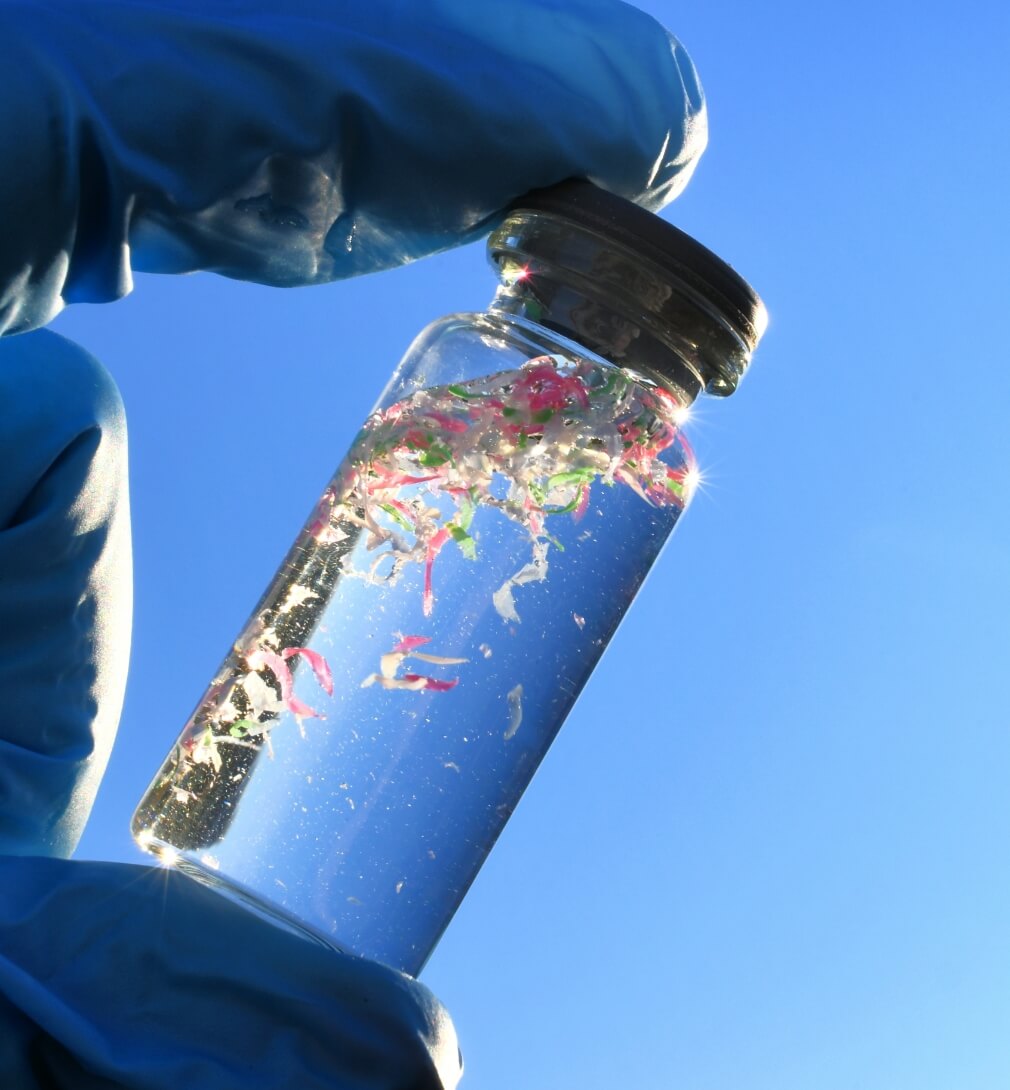
Most of the plastics used in our daily lives originate from fossil oil — and after a short period of use, much of it becomes waste, ending up in landfills, leaking into the open environment, or, worst of all, polluting our oceans. At Corsair, we close this loop. Through advanced pyrolysis technology, we convert plastic waste back into high-quality pyrolysis oil — a certified, industry-ready raw material that can be used again to produce new plastics.

Our process is highly efficient, environmentally responsible, and fully compliant with the strictest environmental standards in both Asia and Europe. It is not only sustainable, but also commercially viable at industrial scale. Instead of becoming pollution, plastic waste becomes valuable again. Corsair is reshaping the global plastics lifecycle by making plastic truly circular and sustainable.

What we do

Rethinking
Plastic Waste

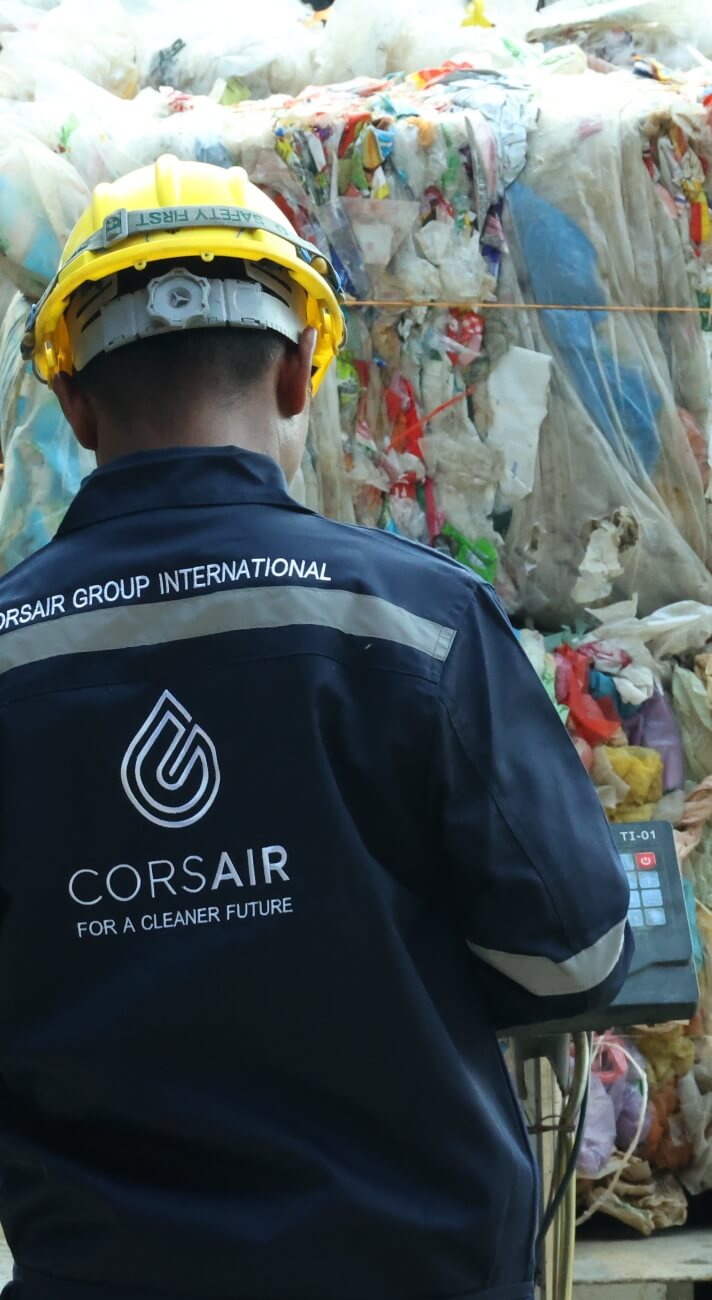
Despite what many people think, plastic is actually a great material. It’s strong, lightweight, and essential for modern life, from medical supplies to food preservation. The real problem isn’t plastic itself, but how we handle its waste. When mismanaged, plastic ends up in rivers and oceans, where it breaks down into harmful microplastics.

These microplastics contaminate the water we drink and the food we eat, accumulate in the soil, and are even present in the air we breathe. The answer isn’t to ban plastic, but to manage its waste responsibly. Corsair offers a real solution: our pyrolysis technology turns plastic waste back into valuable oil, giving it new life while helping protect the planet.

Rethinking Plastic Waste

What we do

Rethinking
Plastic Waste

Despite common misconceptions, plastic is one of humanity’s greatest material innovations. It is strong, lightweight, hygienic, and essential to modern life — from lifesaving medical equipment to food preservation and global logistics. Plastic itself is not the enemy.

The real challenge is what happens after plastic becomes waste. When mismanaged, it ends up in landfills, the open environment, rivers, and oceans, where it slowly breaks down into harmful microplastics. These microplastics contaminate the water we drink, the food we eat, the soil we grow on, and even the air we breathe. The solution is not to ban plastic, but to manage plastic waste responsibly and circularly.

Corsair provides a practical, scalable solution. Through our advanced pyrolysis technology, we turn plastic waste back into valuable pyrolysis oil, a certified raw material used by petrochemical companies to create new, more environmentally responsible plastic products. This closes the loop, giving waste plastic a new life while helping to protect the planet.

Corsair
Facilities

7

Countries
of operation

4

Global staff
members

100+

Pyrolysis reactors
Installed

14

Operating
Facilities

06

Successful
partnerships

40+

oil produced
in Liters per year

20M+

tons of Plastic waste
offset per year

20M+

DISCOVER

Pyrolysis recycling
& Pyrolysis oil

the pyrolysis process

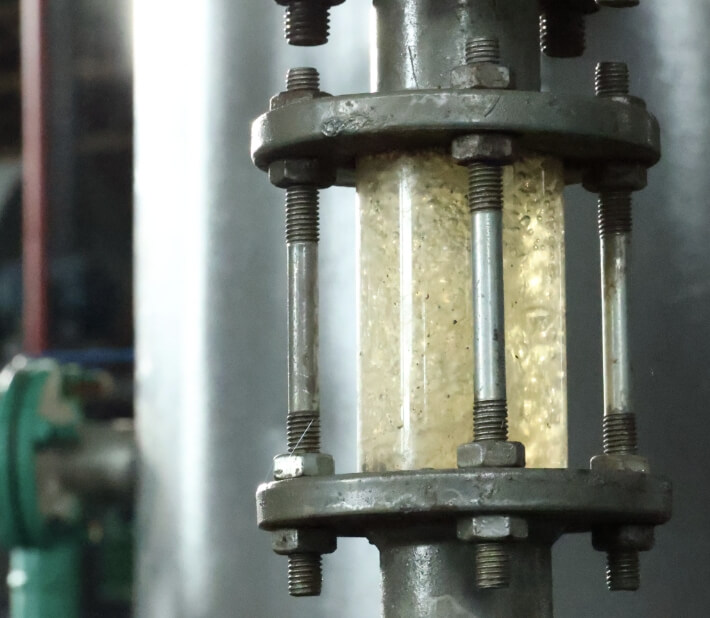
Corsair uses pyrolysis to turn plastic waste into a valuable product called pyrolysis oil. In this process, plastic is heated to very high temperatures without any oxygen, so it doesn’t burn. Instead, it breaks down into three main parts: pyrolysis oil, gas, and solid residue (char).

Corsair uses pyrolysis to turn plastic waste into a valuable product called pyrolysis oil. In this process, plastic is heated to very high temperatures without any oxygen, so it doesn’t burn. Instead, it breaks down into three main parts: pyrolysis oil, gas, and solid residue (char).

Corsair uses pyrolysis to turn plastic waste into a valuable product called pyrolysis oil. In this process, plastic is heated to very high temperatures without any oxygen, so it doesn’t burn. Instead, it breaks down into three main parts: pyrolysis oil, gas, and solid residue (char).

Corsair uses pyrolysis to turn plastic waste into a valuable product called pyrolysis oil. In this process, plastic is heated to very high temperatures without any oxygen, so it doesn’t burn. Instead, it breaks down into three main parts: pyrolysis oil, gas, and solid residue (char).

DISCOVER

Pyrolysis recycling
& Pyrolysis oil

the pyrolysis process

Corsair transforms discarded plastic waste into a high-value oil product through advanced pyrolysis, a next-generation chemical recycling technology. During pyrolysis, plastic waste is heated in an oxygen-free environment, allowing the material to break down into liquid at the molecular level.

This controlled process produces three key outputs:

Pyrolysis Oil – a high-quality liquid that can be used by major petrochemical companies to create the building blocks for new, more sustainable plastics, helping to close the loop in the circular economy.

Gas – an energy-rich gas that is captured and reused by the pyrolysis units to generate the heat needed for the process, significantly improving overall energy efficiency.

Solid Residue (Char) – small amounts of carbon black -type of material that can be utilized by a variety of industries.

Corsair’s operating model, modular facility design, and strict quality control allow us to consistently produce ISCC-certified pyrolysis oil that meets the demanding feedstock specifications of global industry leaders. This operating process is deployed across Corsair’s expanding network of facilities worldwide, positioning the company as one of the fastest-growing leaders in the global plastic waste recycling sector.

Pyrolysis oil is an in-demand, premium-grade material used by global petrochemical companies to manufacture the building blocks for new, more environmentally responsible plastics. When upgraded through refinery and steam-cracking processes, this oil becomes the base for producing certified circular polymers used in everyday products such as:

  • Food-grade packaging
  • Consumer goods
  • Medical and hygiene products
  • Industrial components
  • Automotive and electronics materials

Because Corsair’s facilities operate under strict quality control and produce ISCC-certified pyrolysis oil, every batch can be traced and verified as coming from real plastic waste. This certification allows our oil to be used by some of the world’s largest chemical- and materials companies seeking to meet sustainability targets, comply with tightening regulations, and respond to growing consumer demand for circular products.
Beyond polymer production, pyrolysis oil can also be refined into fuels, waxes, and specialty chemicals, expanding its value and versatility across multiple industries.
By supplying this critical circular feedstock, Corsair plays a key role in helping major manufacturers reduce their reliance on virgin fossil resources and increase the percentage of recycled content in their products—creating a cleaner, more sustainable future for the global plastics industry.

At Corsair, quality is not merely a goal—it is the core principle guiding every part of our operation. As one of the fastest-growing companies in the plastic-waste chemical recycling industry, we understand that producing a consistent, globally recognized, and high-value product requires unwavering standards from start to finish. Every step—from plastic waste collection to processing, certification, and delivery—is governed by systems designed to ensure precision, safety, and transparency.

Our facilities operate using advanced modular designs, automated control systems, and strict operational protocols that guarantee repeatable performance and uniform output across all global locations. Each shipment of pyrolysis oil from Corsair undergoes comprehensive laboratory analysis to confirm it meets the demanding specifications required by leading petrochemical companies.

Quality at Corsair extends beyond the oil we produce—it begins at the very source of our material. All plastic waste collected under Corsair’s ecosystem follows the CPRS – Corsair Plastic Waste Removal Standard, a third-party audited framework that ensures every kilogram of plastic is genuinely removed from the environment in a measurable, traceable, and verifiable way. This standard underpins the integrity of our entire circular model, guaranteeing that the raw material entering our facilities is ethically sourced and environmentally impactful.

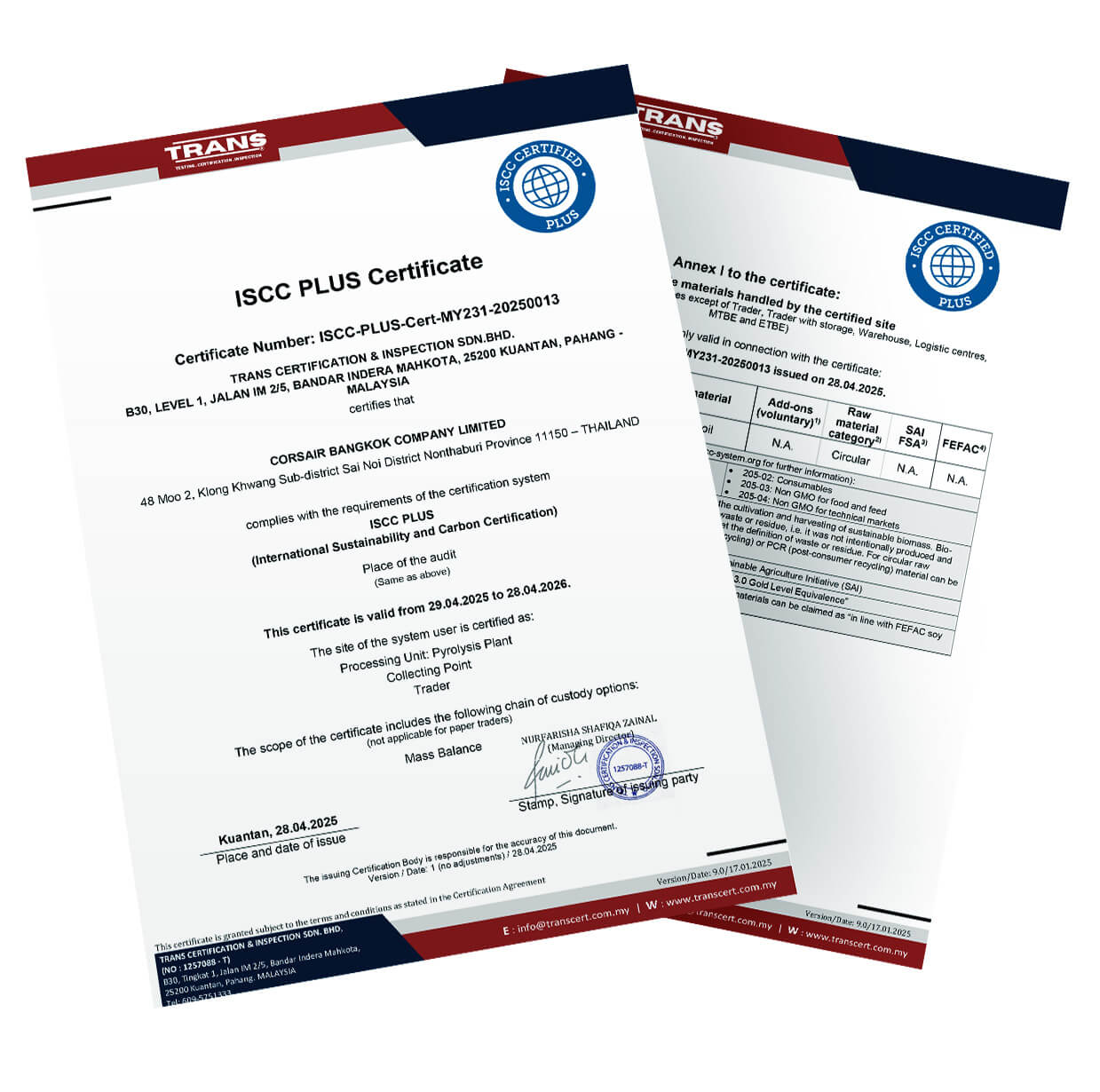
In addition, Corsair’s production processes comply with internationally recognized certification frameworks such as ISCC (International Sustainability and Carbon Certification), ensuring full traceability, sustainable operations, and alignment with the highest circular-economy requirements. These certifications enable Corsair’s pyrolysis oil to be accepted by major global petrochemical companies seeking reliable, circular feedstocks.

By uniting advanced technology, rigorous quality procedures, and transparent environmental standards like CPRS and ISCC, Corsair delivers a product and a system that meet or exceed the expectations of the world’s most demanding industrial partners. This commitment to excellence is what positions Corsair at the forefront of the global transition to truly circular plastic production.

The global demand for circular, sustainable raw materials has never been stronger—and it is accelerating at an unprecedented pace. As governments, corporations, and consumers intensify their focus on environmental responsibility, the pressure on industries to reduce their reliance on virgin resources and increase recycled content has become a defining force in the market.
Major petrochemical companies, packaging producers, consumer brands, and industrial manufacturers are now committing to ambitious sustainability goals that require vast quantities of certified recycled feedstock. Pyrolysis oil—especially ISCC-certified, high-quality pyrolysis oil like the kind produced by Corsair—has emerged as one of the most critical materials needed to meet these targets.

This surge in demand is driven by multiple global trends:
Expanding regulatory requirements in the European Union, North America, and Asia mandating minimum levels of recycled content in plastic products.
Corporate sustainability commitments, with many Fortune 500 companies pledging to use only recycled or renewable plastics by 2030 or earlier.
Growing consumer expectations for environmentally responsible packaging and materials.
The urgent need to reduce plastic pollution, requiring scalable, industrial-grade recycling solutions.

As plastic production is projected to triple by 2050, the world is facing a critical shortage of circular feedstock. Mechanical recycling alone cannot meet the volume or quality requirements of modern industries, creating an enormous opportunity for advanced chemical recycling technologies.
Corsair is uniquely positioned to meet this rising demand. Our expanding network of facilities across the globe, combined with our strict quality-control systems, ISCC certification, and CPRS-backed waste collection, enables us to supply the global petrochemical industry with reliable, traceable, circular raw materials at scale.
This rapidly growing demand is not a temporary trend—it is a structural shift shaping the future of plastics. Corsair stands at the forefront of this transformation, delivering the materials industry needs to achieve a truly sustainable and circular world.

Pyrolysis recycling and Pyrolysis oil
ISCC
Certification

What we do

ISCC
Certification

Corsair is officially certified by the International Sustainability and Carbon Certification (ISCC) system. ISCC is a globally recognized standard that verifies sustainability and traceability across complex supply chains. In plastic recycling, it ensures that materials are ethically sourced, transparently tracked, and processed with methods that significantly reduce environmental impact and carbon emissions.

High standards

This certification confirms that Corsair operates under rigorous international sustainability standards, enhances its credibility in the industry.

High commitment

It reinforces our commitment to promoting the circular economy and the global transition toward more responsible production practices.

ISCC Certification

What we do

ISCC
Certification

Corsair is officially certified by the International Sustainability and Carbon Certification (ISCC) system. ISCC is a globally recognized standard that verifies sustainability and traceability across complex supply chains. In plastic recycling, it ensures that materials are ethically sourced, transparently tracked, and processed with methods that significantly reduce environmental impact and carbon emissions.

High standards

This certification confirms that Corsair operates under rigorous international sustainability standards, enhances its credibility in the industry.

High commitment

It reinforces our commitment to promoting the circular economy and the global transition toward more responsible production practices.

What we do

Key Partners
& Offtakers

Shell

SHELL CHEMICALS EUROPE B.V

Our offtake partner for the output from our Kaipola facility in Finland, plus future European sites. Pyrolysis oil from Kaipola is delivered to Shell’s facility in Moerdijk, The Netherlands for the production of circular new plastics.

KERA ENERGY

Our offtake partner for the output from our Kaipola facility in Finland, plus future European sites. Pyrolysis oil from Kaipola is delivered to Shell’s facility in Moerdijk, The Netherlands for the production of circular new plastics.

Aster

Aster

Energy and infrastructure solutions for Singapore and Asia Pacific. Aster is committed to enabling a responsible energy future and becoming the partner of choice for sustainable industry transformation.
SHELL CHEMICALS EUROPE B.V.

SHELL CHEMICALS EUROPE B.V

Shell Chemicals Europe B.V. is one of our main offtake partners for the output from Corsair’s Kaipola facility in Finland, as well as designated future European production sites. This partnership represents a major milestone in Corsair’s mission to supply high-quality, ISCC-certified circular feedstock to the world’s leading petrochemical companies.

Pyrolysis oil produced at Kaipola is to be transported to Shell’s state-of-the-art facility in Moerdijk, The Netherlands, where it is utilized as a raw material in the production of the building blocks for new, circular plastics. By integrating Corsair’s recycled feedstock into their operations, Shell advances its global strategy of increasing the use of certified circular materials across its value chain.

Working with Shell not only validates the quality and consistency of Corsair’s pyrolysis oil, but also positions Corsair as a key contributor to Europe’s rapidly expanding circular-plastics ecosystem.

The collaboration serves as a strong foundation for scaling future facilities and supporting the continent’s transition toward a more sustainable, lower-carbon materials economy.

Aster

Aster

Aster is one of Corsair’s primary offtake partners for pyrolysis oil produced across our Asian facilities. As a leading provider of energy and infrastructure solutions for the wider Asia-Pacific region, Aster plays a pivotal role in advancing sustainable industry transformation throughout one of the world’s fastest-growing markets.

Aster is committed to enabling a responsible energy future, and its collaboration with Corsair supports this mission by integrating ISCC-certified pyrolysis oil into regional supply chains as a circular alternative to traditional virgin fossil feedstock. Through this collaboration, Corsair’s high-quality recycled pyrolysis oil becomes part of the materials pipeline used to create new circular plastics and low-carbon products for a wide range of industries.

The Asia-Pacific region is a global center for manufacturing, logistics, and petrochemical processing—making the demand for circular raw materials exceptionally strong. Aster’s wellestablished network, deep regional expertise, and long-term commitment to sustainability make them an ideal partner for supporting Corsair’s growth across Asia, including Thailand, Sri Lanka, and future operational sites.

By working together, Corsair and Aster are helping to accelerate the shift toward a more circular and environmentally responsible plastics economy in Asia, strengthening supply chains and creating long-term value for both industry and the planet.

KERA ENERGY

KERA ENERGY

Kera Energy is one of Corsair’s principal offtake partners for pyrolysis oil produced at our Kaipola facility in Finland, with the collaboration set to expand as Corsair commissions additional facilities across the globe.

By integrating Corsair’s ISCC-certified pyrolysis oil into their operations, Kera Energy supports the global transition away from virgin fossil-based inputs and helps major brands meet increasingly strict regulatory requirements for recycled content.

Kera Energy is recognized for its commitment to innovation, sustainability, and the development of next-generation circular materials.

The collaboration between Corsair and Kera Energy strengthens the global circular-plastics supply chain, reduces environmental impact, and ensures that recycled materials can be produced at scale with consistent, reliable quality.

As Corsair continues to expand its footprint internationally, Kera Energy is positioned to operate as a key strategic partner in delivering certified circular raw materials to some of the most demanding industries in the world.